CHIMNEY
WATERPROOFING
Vapour-permeable sealants that keep Alberta's freeze-thaw cycles out of your masonry. Performed by WETT-certified technicians in Camrose, Edmonton, Wetaskiwin and across central Alberta, with a written report included.
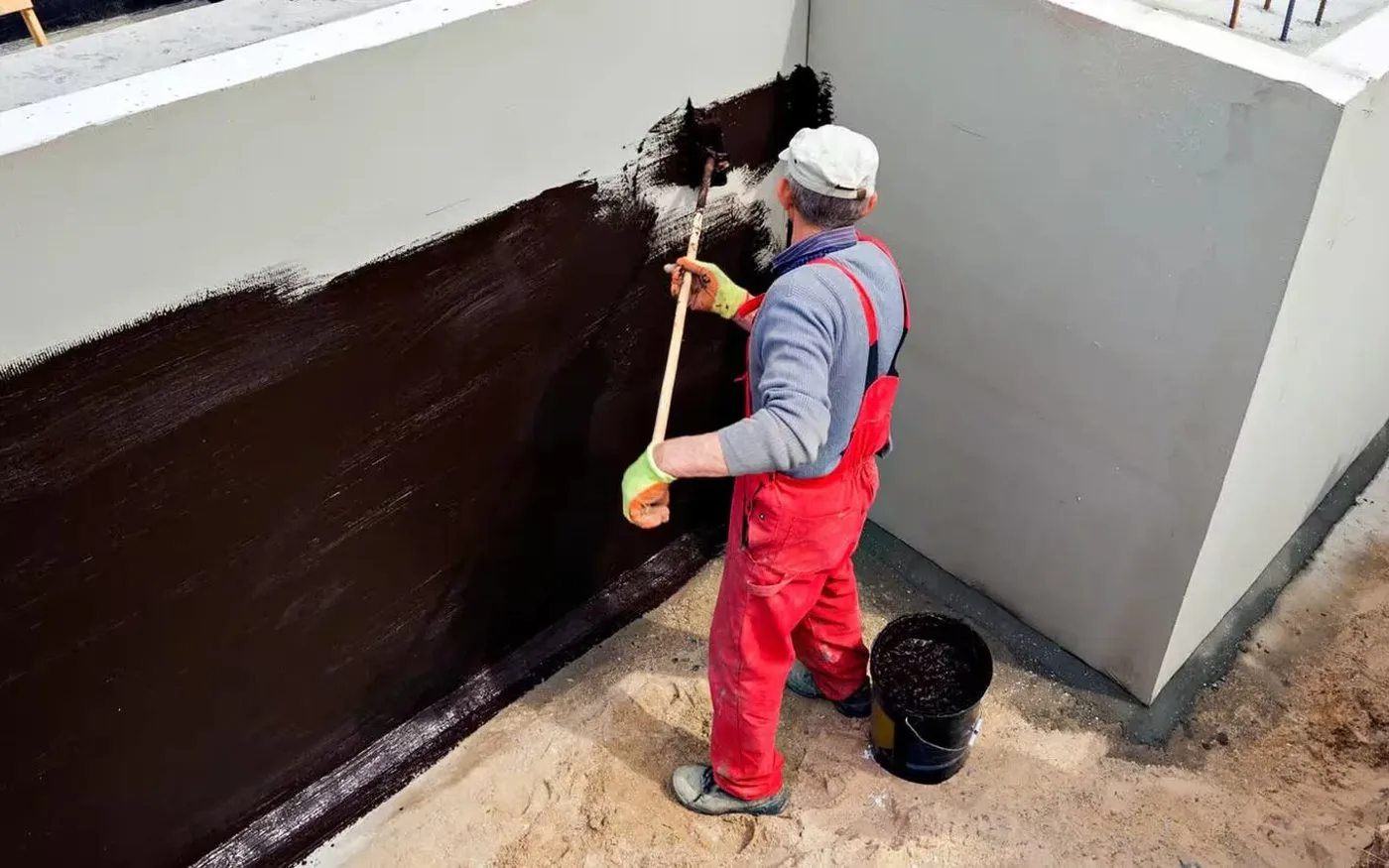
WHAT WATERPROOFING PROTECTS
Water is a chimney's worst enemy. Freeze-thaw cycles crack masonry, deteriorate mortar, and allow moisture into your home. Our waterproofing service protects your investment with penetrating sealants that repel water while allowing vapour to escape — keeping your chimney dry for years.
- Professional-grade penetrating waterproof sealant applied
- Crown coating and crack sealing
- Flashing inspection and resealing
- Cap installation to prevent water entry
- Pre-treatment masonry inspection included
FREEZE-THAW IS THE ALBERTA PROBLEM
Brick and mortar are porous. Water soaks in, freezes overnight, expands, and pushes the masonry apart from the inside. Repeat that dozens of times over an Edmonton winter and you get spalled brick, crumbling mortar joints and a cracked crown — followed by water finding its way into the house.
A sealant that simply films over the surface traps moisture inside the masonry and makes this worse. We use penetrating, vapour-permeable products so water is repelled from the outside while trapped moisture can still escape.
WHERE THE WATER ACTUALLY GETS IN
Sealant on the brickwork is the last line of defence, not the first. Most water reaching a chimney's interior arrives through one of four routes, and three of them are not fixed by sealing masonry at all.
The top of the flue. An uncapped chimney is an open pipe pointing at the sky. Rain and snow go straight down it, along with the occasional bird. A cap is the cheapest single thing you can do for a chimney and it is missing more often than you would expect.
The crown. That sloped slab around the flue at the top is what sheds rain outward. Once it cracks, water is being delivered into the masonry rather than away from it, and no amount of sealant on the brick face below will stop that.
The flashing. The metal seal where the chimney passes through the roof. When it fails, water runs into the roof structure, and the first sign is usually a stain on a ceiling indoors rather than anything visible on the chimney.
The masonry face. Brick and mortar are porous by nature. This is the part sealant addresses — and on sound masonry it addresses it well.
Which is why our visit starts with an inspection rather than a sprayer. Sealing a chimney that is taking water through a cracked crown is a way of spending money without changing the outcome.
WHY THE PRODUCT MATTERS
There is a real difference between a sealant that repels water and a coating that seals a surface, and using the wrong one actively causes damage.
Masonry needs to breathe. Moisture already inside the wall — and there is always some — has to be able to leave as vapour. A film-forming product, which includes most paints and some cheap water sealers, stops liquid water entering but also stops vapour escaping. The moisture that is already in there gets trapped, freezes, and spalls the brick face off from behind. Chimneys that have been painted often look worse a few winters later than chimneys that were left alone.
What we use is a penetrating, vapour-permeable sealer. It soaks into the masonry and repels water from within the pore structure while still letting vapour out. It is invisible when dry — it does not darken the brick or leave a sheen — and it needs redoing periodically rather than once forever.
Do it before the damage, not after
Waterproofing protects sound masonry. If the crown is already cracked or joints have opened up, those need repair first — sealing over existing damage just hides it.
WATERPROOFING,
ANSWERED
How often does waterproofing need redoing?
Penetrating sealers are not permanent. Depending on the product, the exposure and how much weather that particular face of the chimney takes, you are generally looking at somewhere in the range of five to ten years before reapplication is worth considering. It is not something to diarise precisely — the practical approach is to have it looked at during your annual sweep, since the technician is up there anyway.
Can waterproofing be done in winter?
No, and anyone who says otherwise is doing you a disservice. Penetrating sealers need dry masonry and temperatures above freezing to soak in and cure. Applied to cold or damp brick, the product sits on the surface instead of penetrating, and you have paid for something that will not perform. Late spring through early autumn is the working window in Alberta. If you call in December we will inspect and book you for spring.
My chimney is already spalling. Is sealing still worth it?
Not on its own. Spalling means water has already been getting in and freezing behind the brick face, and sealing over it locks the existing moisture inside while hiding the damage from view. The order has to be repair first, seal second. Depending on how far it has gone that means repointing, crown repair, or in bad cases rebuilding the affected section — and then sealing the sound masonry to stop it recurring.
Will it change how the chimney looks?
It should not. A penetrating sealer is invisible once dry — no darkening, no gloss, no colour shift. If a chimney looks wet or shiny after treatment, what has been applied is a film-forming coating rather than a penetrating sealer, which is the wrong product for masonry that needs to breathe.
Do I need this if my chimney is capped and in good condition?
Possibly not this year, and we will say so if that is the case. A cap, sound flashing and an intact crown deal with the largest water routes, and a chimney with all three in good order is already handling most of what Alberta throws at it. Sealing the masonry is the additional layer, most worth doing on older or exposed brickwork and on a chimney that catches the prevailing weather. It is a preventive measure, not an emergency.
READY TO GET
STARTED?
Schedule online in minutes, or call us directly. We serve Camrose, Edmonton, Wetaskiwin and central Alberta.